Miory Regional Executive Committee
School meals play a key role in forming healthy habits among children and adolescents by providing them with essential nutrients for proper growth and development.
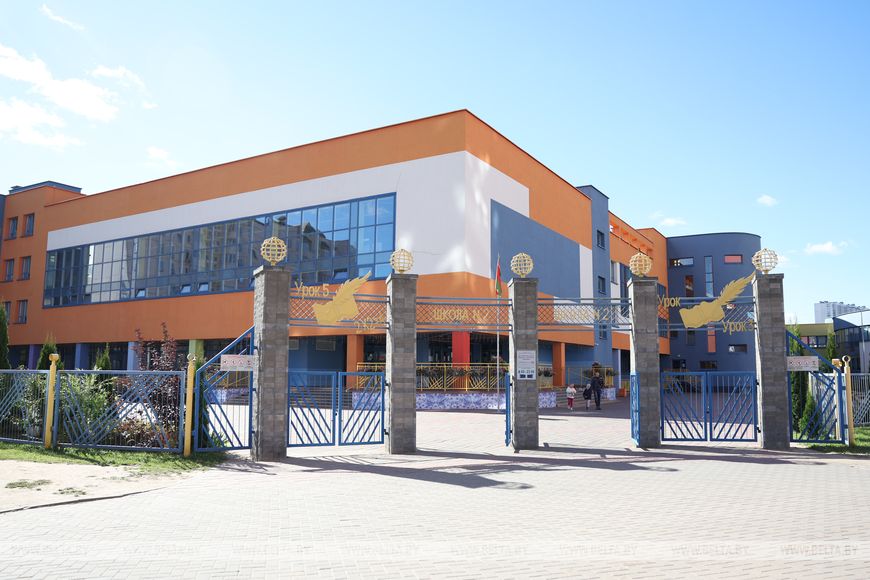
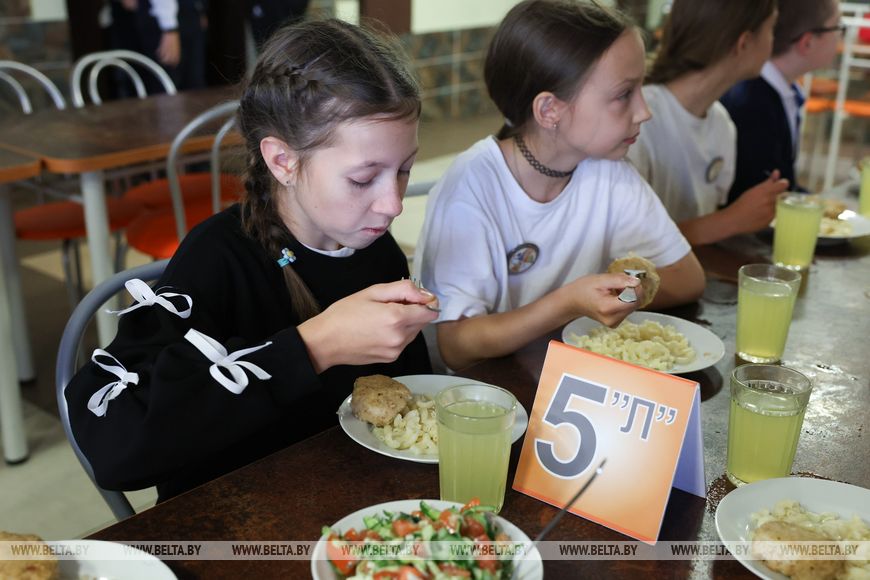
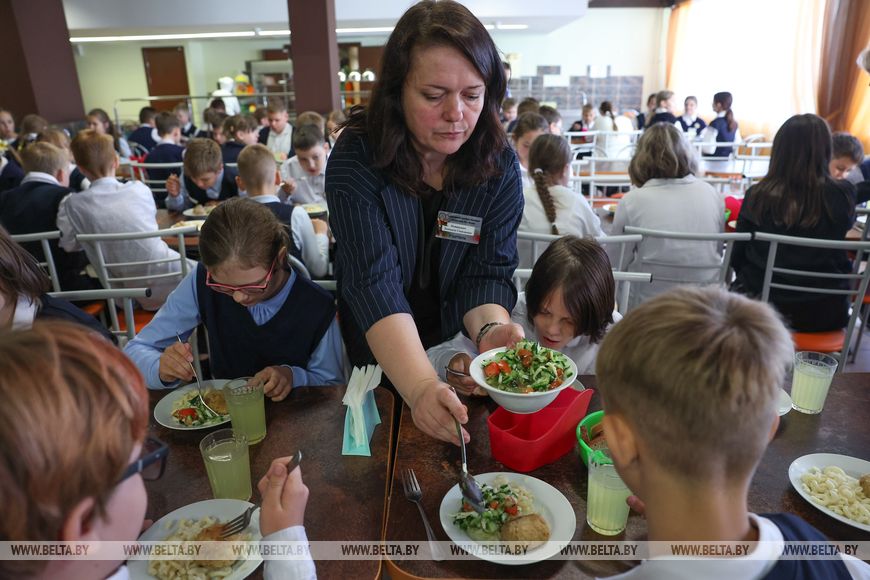
Proper nutrition at school not only contributes to improving students' physical health but also affects concentration, academic performance, and overall well-being. In the modern world, where children face various temptations of fast food and unhealthy snacks, organizing quality school meals has become particularly relevant. This is not merely a matter of providing children with food, but an important step toward building a healthy future for the younger generation. Meal organization in Minsk schools is handled by the Minsk School Catering Enterprise. BELTA correspondents found out what and how children are fed, using School No. 2 in Minsk as an example.
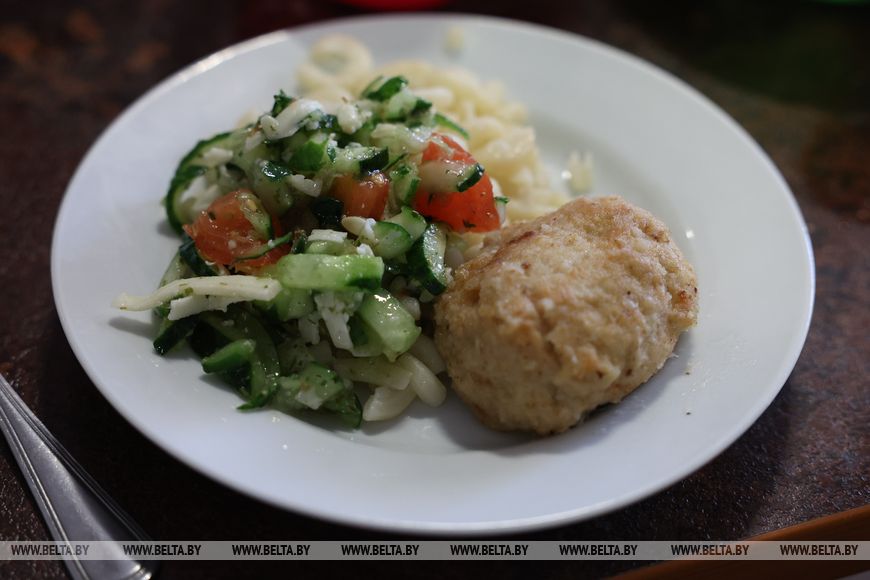
Fifth-grader Nikita Tomashkov looks forward to school lunch every day along with his classmates. It typically takes place after the third or fourth lesson, and by that time, active fifth-graders have had ample opportunity to work up a good appetite. "I like everything in our cafeteria. Today we have chicken cutlets with pasta – it’s very tasty, just like at home. I also enjoy buckwheat with sausages. But my absolute favorite, which I would never refuse, is dumplings. They once served them with sour cream. Our class finished them all. I wish they gave them more often," the boy said, while his friends confirmed this, unaware that dumplings were indeed on the menu for the following day.
Their homeroom teacher and mathematics instructor, Tatyana Lisovskaya, accompanies the class to the cafeteria every day. The educator noted that the dumplings at school are not only consumed entirely but that there is also room for additional servings. "The children generally eat well. There are favorite dishes, as well as less preferred ones that are no less nutritious. Teachers ensure that students actually eat. Sometimes we explain, sometimes we persuade. Overall, we teach them to treat food and bread with care. For this purpose, we recall historical events, such as the blockade, and discuss hunger, which, unfortunately, remains not uncommon in the modern world," the teacher shared.
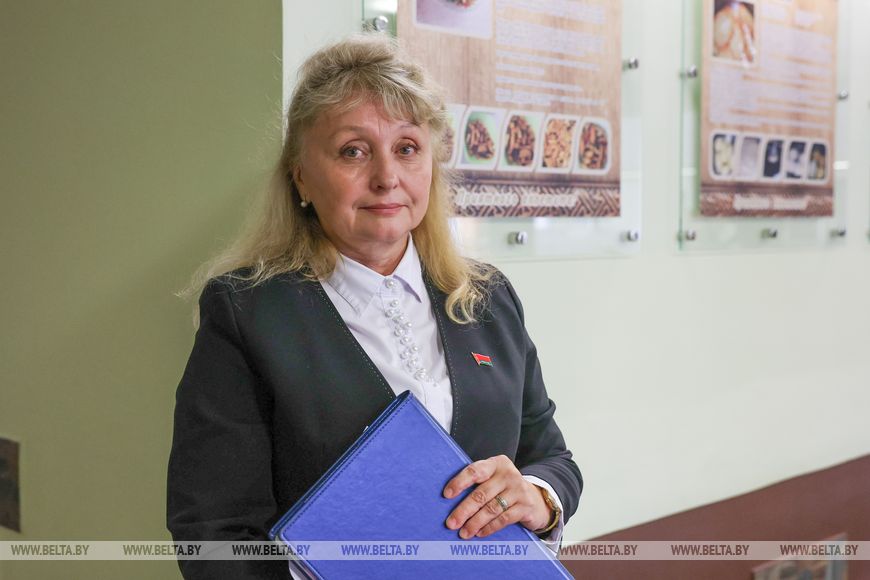 The person responsible for children's nutrition at School No. 2 is Larisa Dubanewich, Head of the Canteen Production Department. She is the one who receives the raw materials that are subsequently used to prepare breakfast, lunch, and afternoon snacks at the school. "We operate on a two-week menu developed by food technologists at the Minsk School Food Complex. For instance, our schedule includes a product made from young chickens. The Vitebsk Broiler Plant supplies us with this product. We receive fillets and thighs. I inspect them to ensure they have not been thawed. If everything meets the requirements, I apply the approval stamp and we accept the delivery. Subsequently, we prepare dishes such as chicken cutlets, if they are included in our menu. The procedure for meat products is identical. Vegetables are delivered to us pre-peeled and vacuum-packed, with a shelf life of up to 10 days. The acceptance procedure is the same: we review the accompanying documentation and quality certificates, and verify that the packaging integrity has not been compromised. Dairy products are supplied by the dairy plant," Larisa Dubanewich explained.
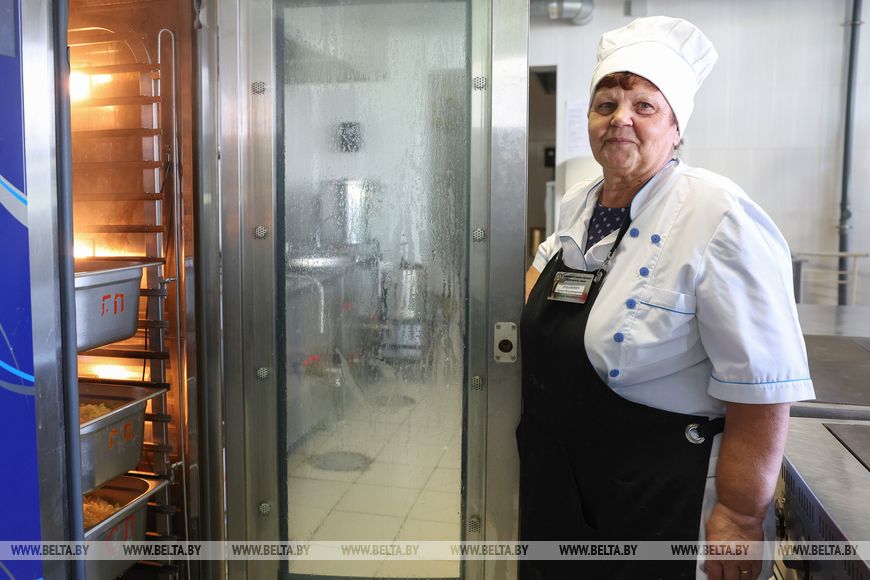 The head emphasized that the products always arrive in good condition. "They fully comply with the requirements imposed on children's food. We do not even have instances requiring product rejection. The supplier strives for quality, as everyone understands that this concerns children's nutrition. Everyone has children and grandchildren, and all make every effort to ensure that the children eat well," she stated confidently.
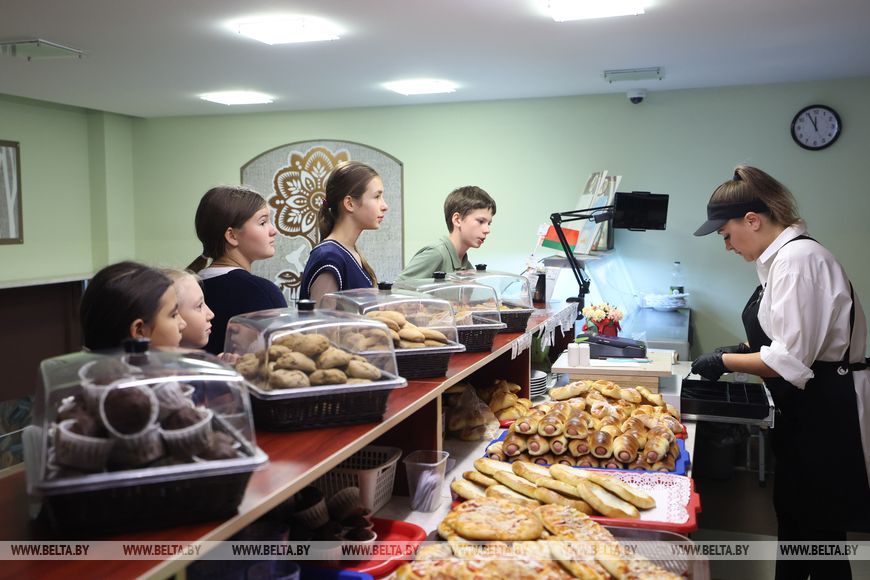
 The director of Minsk Secondary School No. 2, Oksana Kokareva, noted that the cafeteria and snack bar are the most popular and accessible locations in the school. "This takes into account the fact that the use of mobile devices is currently restricted in schools. During breaks, we employ all active measures for recreational activities. We have created conditions for sports and interactive games. Additionally, visiting the school cafeteria and snack bar serves as one of the ways to divert attention from both academic studies and the lack of mobile devices. We continuously monitor the organization of meals until the end of the second shift, because during the second shift, students in grades six and seven, as well as the extended-day group in primary school, dine here. Here, we have established high-quality collaborative work between the School Catering Plant and the school," the head of the educational institution explained.
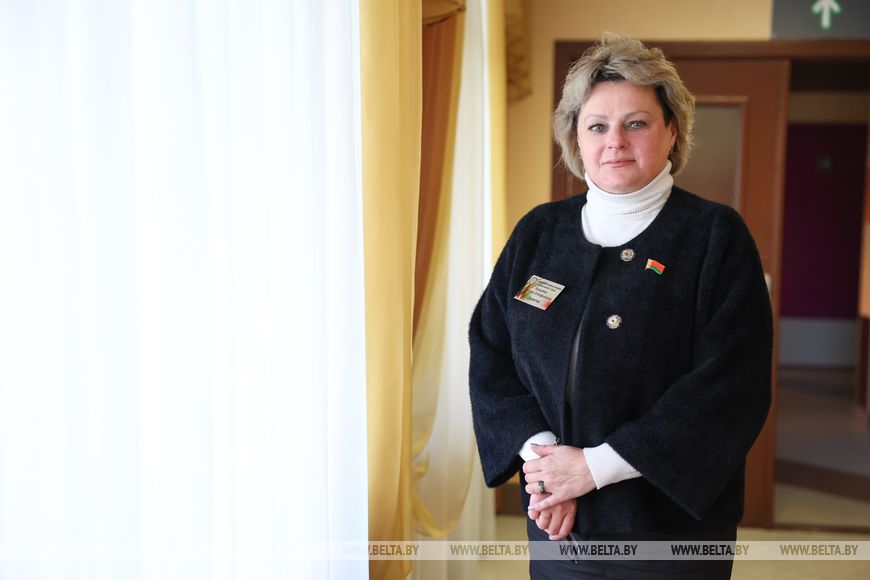
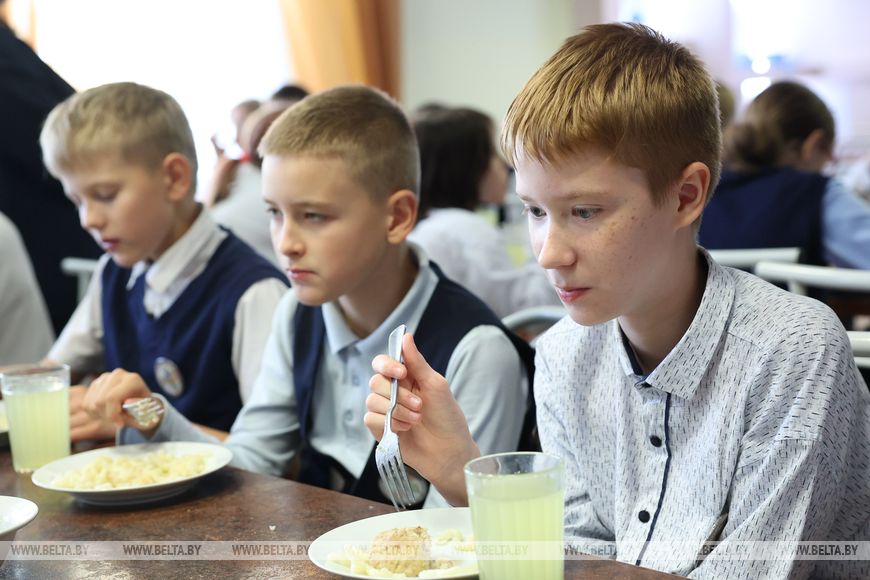
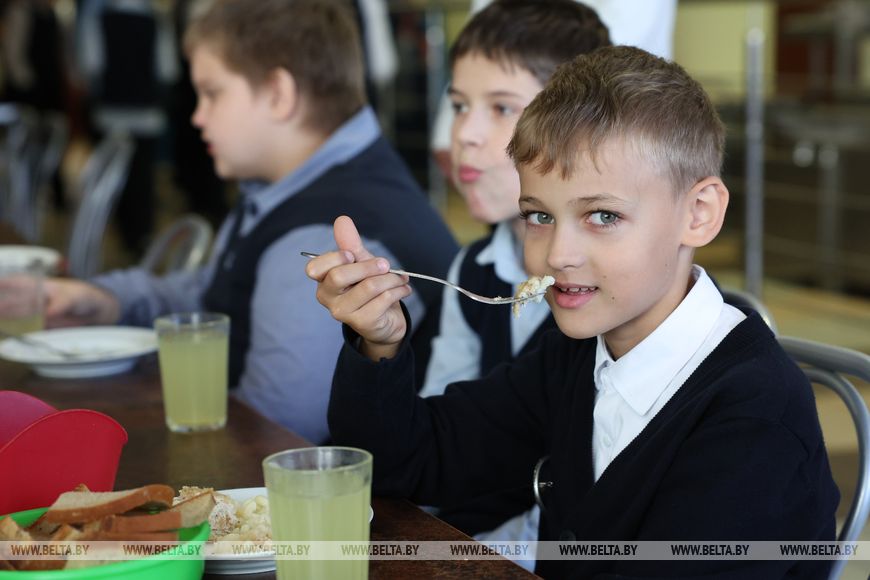 Lyudmila Krupskaya, Director of the Minsk School Food Combination, oversees an enterprise responsible for all processes related to children's nutrition in the capital's schools. "Currently, the School Food Combination comprises 330 facilities. Our network is extensive, providing meals to approximately 230,000 schoolchildren in the capital. Specialists at the combination develop model two-week menus. These are prepared on a seasonal basis (for autumn, winter, and spring periods), taking into account caloric requirements, the rational distribution of nutrients, and the prescribed frequency of inclusion for specific food items. For example, products such as meat, vegetables, and milk must be included in a child’s daily diet, while fish and cheese should be served no less than twice a week. When developing model menus for the autumn period, preference is given to fresh vegetables and fruits, whereas during the winter period, the focus shifts to fermented and preserved vegetables. The menus undergo mandatory assessment by the Minsk City Center for Hygiene and Epidemiology to verify compliance with sanitary and epidemiological standards. The model two-week menu for the autumn period includes 137 dishes, 60 of which are taken from the informational compilation of technological cards for dishes and food products developed by the Ministry of Education," Lyudmila Krupskaya stated.
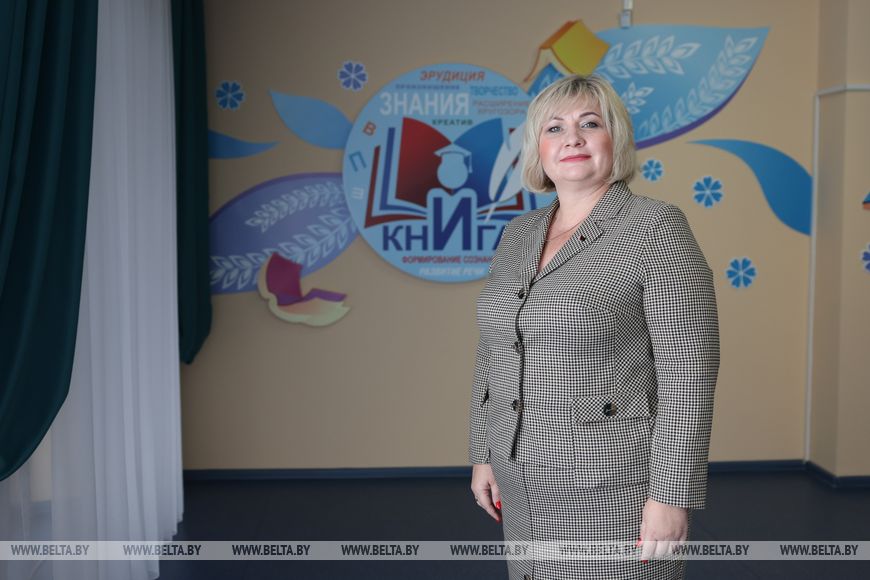 The system is clear, but it does include some new items. "This season, we have included three products that were previously not used at all in children's nutrition – daikon and celery. For daikon, we selected a dish from a reference guide, while celery has been incorporated into a salad – a development by our plant's specialists. Additionally, based on the results of a survey conducted last May, we offered the children a seaweed and vegetable spread. It consists of chopped boiled seaweed mixed with vegetables – carrots, onions, bell peppers, and tomatoes. This seaweed and vegetable spread is particularly rich in iodine, vitamins, and minerals. The product was very well received by the children, so this year we included it in the menu and are already seeing positive feedback. The most important indicator for us, however, is a child's clean plate after a school lunch," the head of the enterprise emphasized.
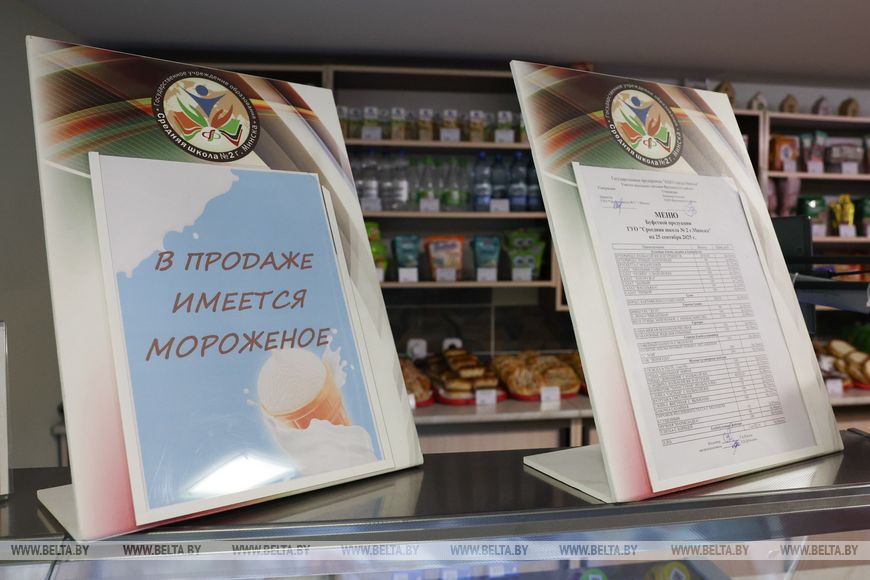
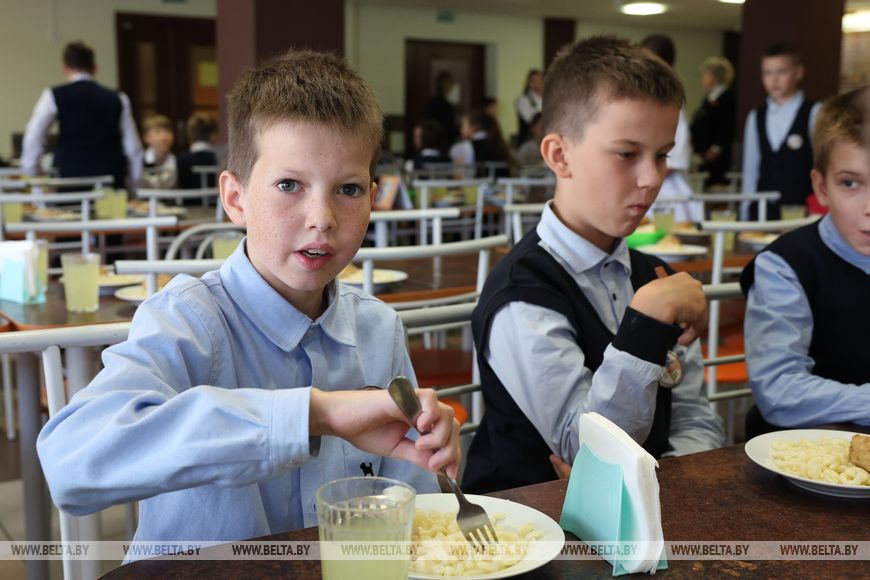
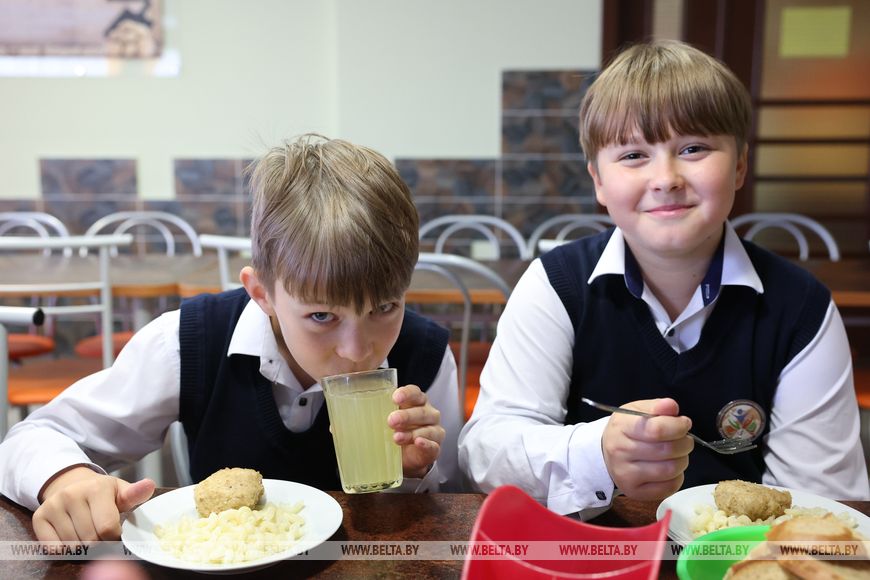 As for the cost of school meals, a breakfast ration for primary school students currently costs BYN 2.08, while lunch for them (those attending extended-day groups) is BYN 2.98. Lunch for students in grades 5–11 costs BYN 3.51. As previously reported by the Ministry of Education, monetary standards for food expenses for students of general education schools, preschools, and other educational institutions in Belarus will be increased by 5 percent starting October 1. "The standards are developed based on an analysis of food prices conducted every three months. This approach ensures objectivity and transparency in the formation of food expenses. The change will be an important step toward a sustainable, high-quality, and accessible child nutrition system, where the main focus remains on caring for the health of the younger generation," the ministry explained, noting that the last increase in food expense standards was introduced on September 1, 2023.
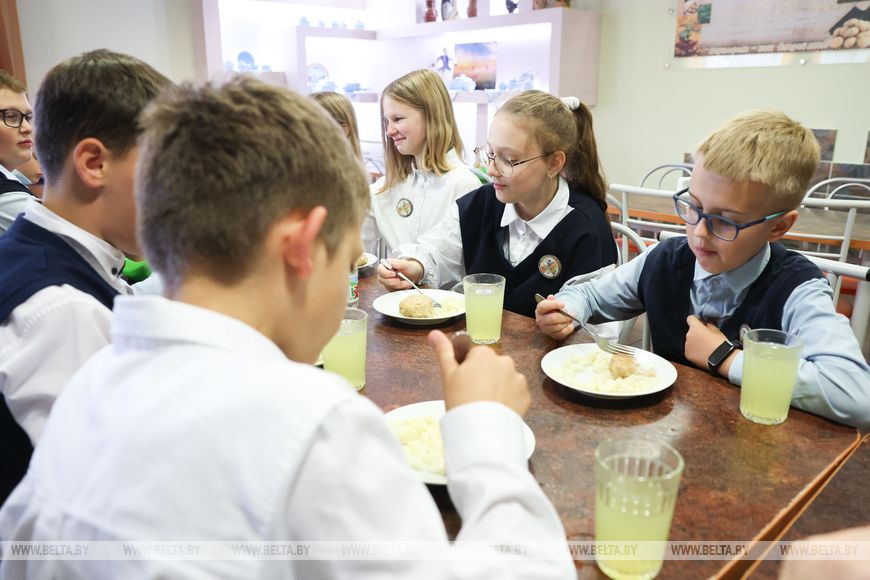
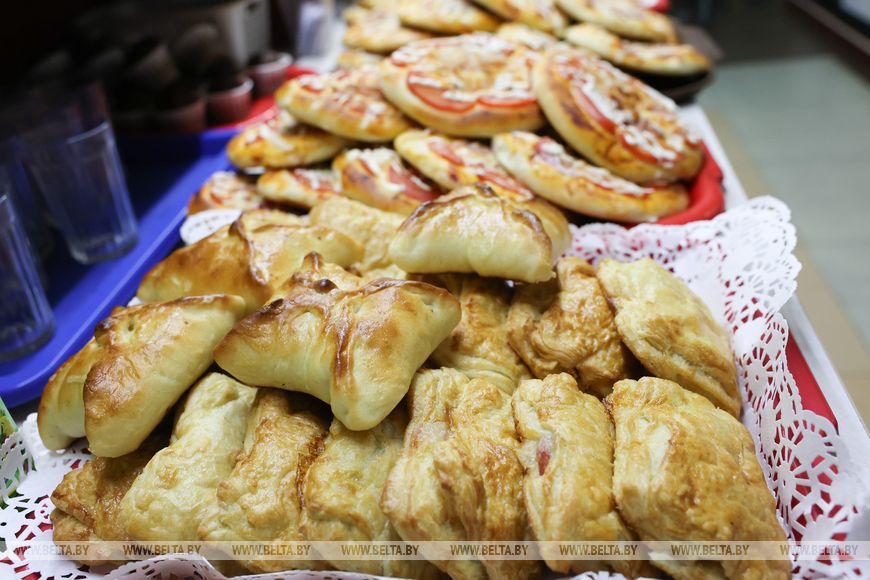
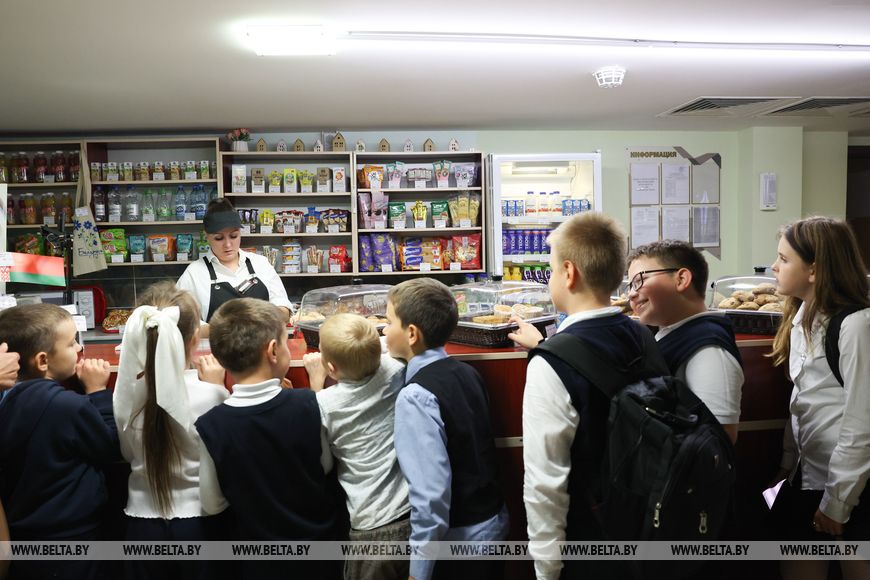
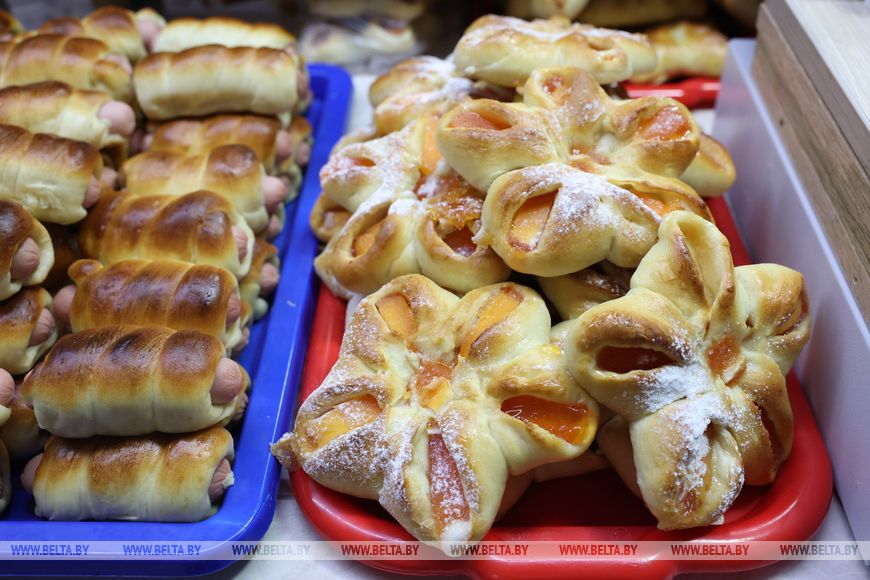
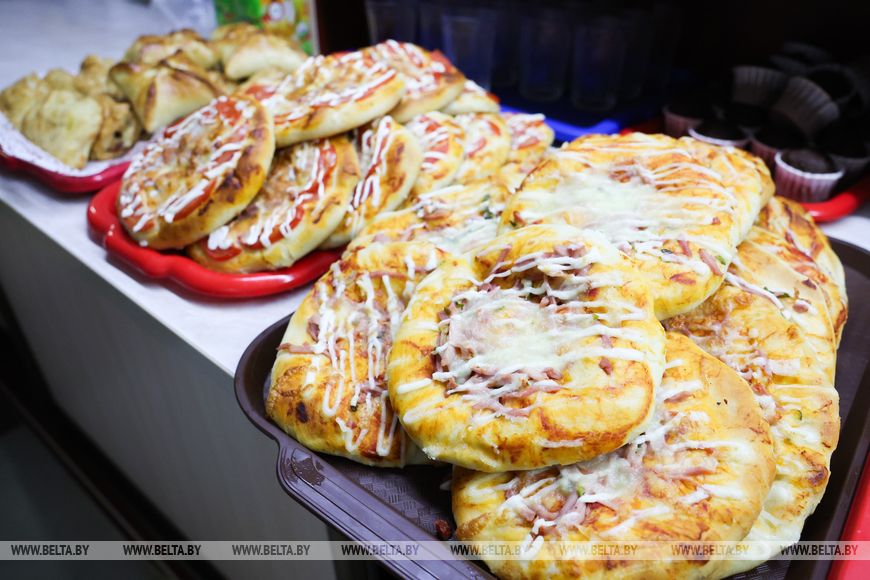
 Pricing is also regulated in school canteens. "Yes, we additionally provide children's meals in the canteens," noted Lyudmila Krupskaya. "There are restrictions on the products offered: each canteen may stock no more than 10 types of industrially packaged confectionery. These may include, for instance, marshmallow, halva, chocolate, wafers, and similar items. I wish to emphasize that all products sold in school canteens comply with pediatric dietary requirements. Prohibited or non-compliant additives will not be found in school canteens. There are no carbonated drinks, no chips, only juice-based beverages and approved sweets. Furthermore, a broad selection of house-made products is offered. Today, for example, is the day when students can purchase pizza and sausage rolls. Restrictions apply to these items: they may be served to students no more than twice a week. All other baked goods—buns, puff pastries—are available daily. The menu features a wide variety of salads, sandwiches, yogurts, and milkshakes. Our children greatly enjoy these offerings."
 In fact, parents are also able to monitor all food products within the school. "Should any questions arise, there is a school-wide parent committee established for this purpose. Legal guardians may form a delegation, visit the school, and observe the food preparation process. To do so, certain requirements must be fulfilled—the school provides shoe covers, disposable gowns, and gloves. A delegation of representatives from the school-wide parent committee may observe operational procedures, including during meal preparation; they may be present in the kitchen area when ingredients are being processed. They may even sample the dishes served to students daily," emphasized the school principal.
 Head of the Frunzensky District school meal unit at the School Meal Combine, Nadezhda Shcherbak, is confident that the quality of meals also depends on those who prepare food in schools. "Each educational institution has a defined staffing schedule. Based on it, we handle personnel selection, striving to ensure that a team of professionals works in every school—we recruit the best candidates. Because high-quality ingredients are only half the job. They must be prepared properly. We all understand that one cook will prepare mashed potatoes one way, while another using the exact same ingredients will do it differently. In my view, the most important thing to keep in mind is that to cook for children, one must love them and, of course, their profession," Nadezhda Shcherbak added.